experienced foundry in Wisconsin for metal casting
Discovering the Strength of Aluminum Foundry: Benefits, Importance, and Who Can Leverage Its Advantages
The aluminum foundry industry holds a vital position in modern manufacturing. Its processes enhance efficiency while offering notable advantages such as strength, lightweight properties, and recyclability. A wide range of industries, spanning automotive to aerospace, experience substantial benefits. However, the obstacles and advancements in this domain bring forth critical questions. What are the implications of these advancements? Grasping these subtleties can show how industry players may capitalize on these prospects.
Understanding Aluminum Foundry Processes: Everything You Should Know
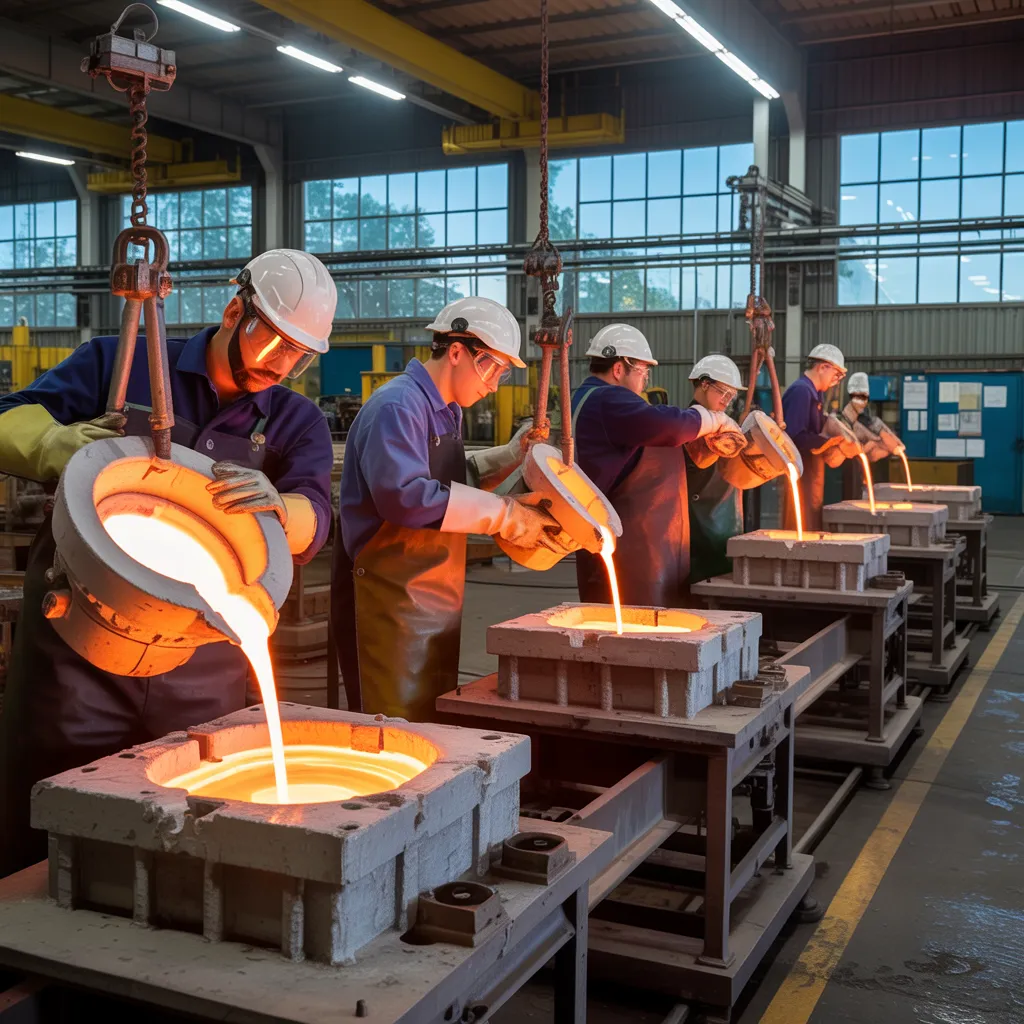
What role do aluminum foundry processes play in contemporary manufacturing? These processes are pivotal for transforming raw aluminum into usable components across various industries. The aluminum foundry process encompasses several critical stages, including melting, molding, and cooling. Each phase necessitates careful oversight to attain the desired specifications and quality criteria.
Throughout the melting process, recycled aluminum or ingots are heated to their melting point, providing perfect flow characteristics for casting. The molding stage requires the molten aluminum to be poured into specially designed molds, which can be tailored to specific applications. During the cooling stage, the aluminum hardens and takes shape, resulting in durable components that meet rigorous performance requirements.
Furthermore, aluminum casting processes can accommodate complex structural forms, making them suitable for creating detailed pieces. Such adaptability, coupled with the lightweight properties of aluminum, makes foundry processes helpful tips a critical factor in the manufacturing industry, improving product performance and advancement.
Major Benefits of Aluminum in Manufacturing: Strength, Weight, and Cost
Aluminum's remarkable exceptional structural efficiency renders it a popular material in diverse industrial applications. This advantage enables the production of sturdy yet light parts, enhancing overall efficiency. Furthermore, its budget-friendly manufacturing solutions contribute to its broad adoption throughout various industries.
Remarkable Strength-to-Weight Ratio
The outstanding strength-to-weight ratio of aluminum establishes it as a top choice in numerous manufacturing sectors. This unique property allows manufacturers to create lightweight structures without compromising structural integrity. In fields like aerospace, automotive, and construction, aluminum's low density enables significant weight savings, which can enhance fuel efficiency and reduce transportation costs. The robustness of aluminum alloys further adds to their adaptability, permitting the creation of components capable of handling rigorous conditions. Moreover, the capability to develop thinner yet resilient parts unlocks new potential for innovative designs. As a result, the blend of strength and lighter weight establishes aluminum as a beneficial material in contemporary manufacturing, boosting efficiency and performance throughout various industries.
Cost-Effective Manufacturing Solutions
Producers are increasingly acknowledging aluminum not only for its durability and lightweight properties but also for its economic advantages. The material's affordability, combined with its long-lasting nature, makes it an appealing selection for diverse manufacturing applications. Manufacturing methods, such as die casting and extrusion, optimize manufacturing efficiency, cutting both labor and time expenditures. Furthermore, aluminum's recyclable nature contributes to lower long-term expenses, as reclaimed aluminum consumes significantly less energy to refine than virgin materials. This financial benefit attracts companies seeking to improve their profit margins while preserving superior quality criteria. Overall, aluminum provides a balanced solution that encourages eco-friendly production methods and provides a strategic advantage in production, making it the go-to option for budget-aware producers.
Improving Production Efficiency With Aluminum Foundry Techniques
Aluminum foundry processes greatly enhance operational efficiency through streamlined manufacturing processes. By improving workflows and minimizing material waste, these approaches deliver reduced turnaround times. Furthermore, the improved material properties of aluminum lead to more durable and lightweight products, further benefiting manufacturers.
Optimized Manufacturing Processes
Optimizing production workflows via aluminum casting methods improves operational efficiency substantially. These techniques facilitate more rapid mold fabrication and reduced lead times, leading to more rapid project delivery. Automation is a key factor, as advanced machinery minimizes manual labor and errors, guaranteeing reliable manufacturing quality. Additionally, the capacity to create intricate designs and reduce waste supports economic efficiency and environmental responsibility. By implementing lean production strategies, casting facilities can optimize resource usage, further enhancing manufacturing effectiveness. The adoption of real-time tracking systems enables improved workflow and inventory control, allowing for rapid modifications when required. Ultimately, such refined operations not only boost productivity but also strengthen market position.
Advanced Material Attributes
The benefits of aluminum foundry processes extend beyond efficient manufacturing processes to include improved material characteristics that significantly impact overall production performance. Such characteristics, such as improved strength-to-weight ratios and resistance to corrosion, facilitate the manufacturing of lightweight yet durable components. Casting operations facilitate the production of complex shapes, reducing the need for further machining processes and limiting unnecessary material loss. This approach delivers both significant cost reductions but also accelerates production timelines. Furthermore, aluminum's superior thermal and electrical properties positions it as a preferred option for numerous uses across industries ranging from automotive to aerospace. By capitalizing on these advanced material attributes, manufacturers can achieve superior performance levels while maintaining sustainability and minimizing their environmental impact.
Eco-Friendly Approaches in Aluminum Foundry: Environmental Benefits and Techniques
Prioritizing sustainability, the aluminium foundry sector has made significant progress in lowering its ecological footprint. Breakthroughs in recycling methods have allowed foundries to utilize up to 95% recycled aluminum, significantly reducing energy use and greenhouse gas emissions compared to raw aluminum production. Additionally, modern casting technologies reduce waste and improve material efficiency, while promoting eco-friendly manufacturing standards.
A growing number of foundries are likewise transitioning to cleaner energy options, such as solar and wind power, to decrease dependence on fossil fuels. Water usage is being optimized through closed-loop systems, guaranteeing minimal impact on the environment. Additionally, the industry is increasingly focusing on responsible sourcing of raw materials, highlighting ethical standards and supply chain transparency.
Such initiatives not only reflect a commitment to environmental stewardship while simultaneously supporting global sustainability goals, situating the aluminum casting industry at the forefront of eco-friendly manufacturing practices.
Which Sectors Profit From Aluminum Foundry Innovations?
Developments in aluminum casting techniques not only promote sustainability but also significantly support a host of markets. The automotive sector, for example, employs light aluminum parts to boost fuel effectiveness and overall performance. Aerospace producers leverage cutting-edge aluminum alloys for their exceptional strength-to-weight properties, which is essential for aircraft engineering and structural safety.
Additionally, the construction industry increasingly adopts aluminum for its resistance to corrosion and long-lasting durability, supporting more eco-friendly construction methods. Electronics manufacturers take advantage of aluminum's exceptional ability to conduct heat, enabling better heat management in electronic devices. The consumer goods industry has also adopted aluminum for packaging solutions, supporting recycling efforts and lowering environmental footprint.
Moreover, the clean energy sector employs aluminum in wind turbines and solar panels, supporting cleaner energy alternatives. Collectively, such advancements in aluminum foundry processes foster efficiency, performance, and sustainability across multiple industries, demonstrating the material's significance and versatility.
Upcoming Trends in Aluminum Foundry: Innovations Shaping the Future
With industries placing greater emphasis on sustainability and efficiency, upcoming advancements in aluminum foundry processes are expected to reshape the field. Innovations such as advanced automation and artificial intelligence are expected to enhance production efficiency and reduce waste. Smart manufacturing techniques will allow for real-time monitoring and optimization of the casting process, leading to higher quality outputs.
In addition, the integration of green practices, such as using recycled aluminum and decreasing energy consumption, will play a significant role in defining the evolving market. The adoption of 3D printing technology is poised to facilitate more intricate designs and shorten lead times, consequently strengthening competitive advantage.
Additionally, the production of advanced lightweight aluminum compounds will fulfill the growing requirement in sectors like transportation and aerospace sectors, where lowering weight is a key priority. Collectively, these developments will not only boost production efficiencies but also promote a more sustainable and innovative aluminum casting sector.
Questions We Are Often Asked
What Safety Protocols Are Essential in Aluminum Foundries?
Within aluminum foundries, critical safety protocols consist of adequate ventilation, personal protective equipment, routine equipment upkeep, training on hazardous materials, and emergency procedures to minimize hazards stemming from high temperatures, liquid metal, and chemical hazards.
What Is the Impact of Aluminum Recycling on Foundry Operations?
Aluminum recycling significantly improves foundry operations by reducing raw material costs, reducing waste generation, and lowering energy consumption. This sustainable practice not only enhances operational efficiency but also supports environmental goals, fostering a circular economy within the industry.
What Is the Life Expectancy of Aluminum Castings?
The service life of aluminum castings typically ranges from 10 to 50 years, depending on environmental conditions, alloy composition, and application. Regular upkeep and careful maintenance can considerably improve their long-term performance and structural integrity.
What Specific Certifications Are Available for Aluminum Foundry Workers?
Yes, specific certifications exist for aluminum foundry workers, including those from organizations like the American Foundry Society AFS. These certifications guarantee employees are well-versed in quality control, safety standards, and casting techniques in the aluminum production industry.
How Can Small Businesses Access Aluminum Foundry Services?
Small businesses can obtain aluminum casting services by researching local foundries, building strategic partnerships, using online platforms to request quotes, and engaging in industry events to establish relationships with potential suppliers for their unique production needs.